When designing a sealed assembly, selecting the right attachment method is just as important as choosing the sealing material itself. Engineers often evaluate sealing methods early in the design process because this decision affects everything from manufacturing efficiency and product weight to long-term reliability and serviceability. Neither solution is universally better. Mechanical fasteners remain the preferred choice for many structural applications, while engineered foam tape offers distinct advantages in situations where sealing, vibration control, and simplified assembly are priorities. Understanding the strengths and limitations of each approach helps manufacturers make informed design decisions that support both performance and production goals.
Understanding the Role of Each Solution
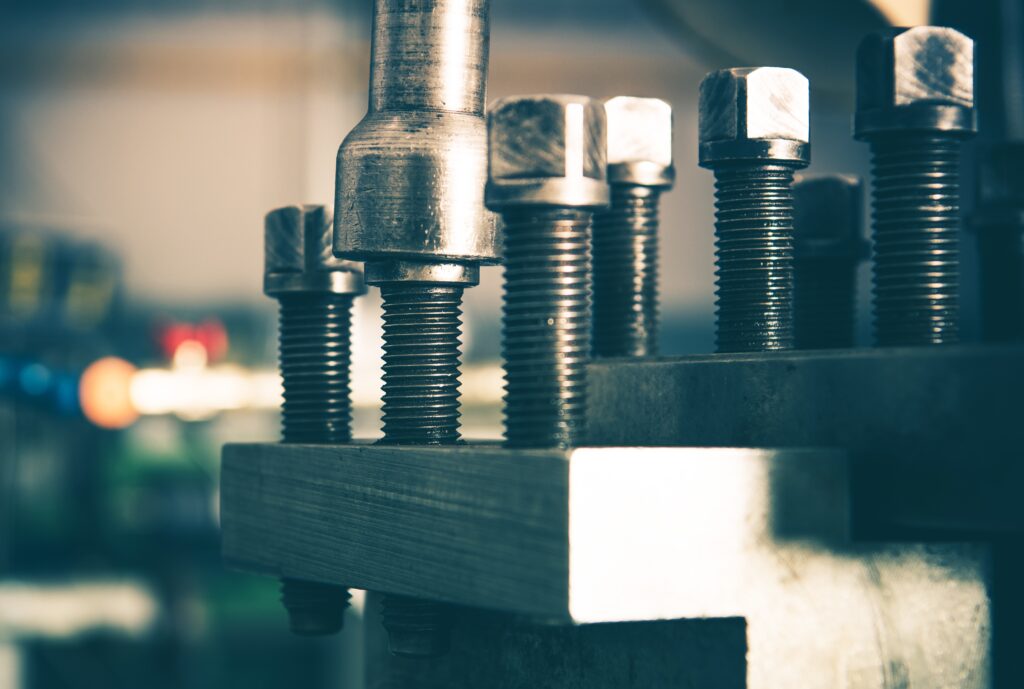
Although foam tape and mechanical fasteners are sometimes viewed as competing products, they often solve different engineering challenges. Mechanical fasteners create a physical connection between components. Screws, bolts, rivets, and clips provide structural retention and can withstand significant mechanical loads. In many assemblies, they serve as the primary method of holding parts together.
Foam tape, on the other hand, is designed primarily for sealing, gap fill, cushioning, and vibration isolation. Pressure-sensitive adhesives allow the tape to attach quickly to a variety of substrates while the foam layer compensates for surface irregularities and maintains consistent sealing pressure. In some applications, bonding tapes replace mechanical fasteners altogether. In others, the two work together, with fasteners providing structural support while the foam creates an environmental seal.
When Foam Tape Is the Better Choice
Foam tape excels when sealing performance and manufacturing efficiency are primary design objectives. One of its greatest advantages is its ability to perform multiple functions simultaneously. A properly selected foam tape can provide several functions at once, such as air or moisture sealing, vibration damping, cushioning, and temporary placement. The exact performance depends on the foam structure, adhesive system, compression level, and joint design.
Foam tape is also well suited for assemblies where weight reduction is important.
Surface variation is another area where foam tape performs exceptionally well. Few manufactured parts are perfectly flat, and slight variations in mating surfaces are common. Because foam compresses during installation, it fills minor gaps that rigid fasteners alone cannot address.
Production efficiency is another advantage. Pressure-sensitive foam tape requires no drilling or chemical curing process and typically needs minimal tooling. The assembly can often be handled immediately, although the adhesive may take additional time to develop its full bond strength.
When Mechanical Fasteners Make More Sense
Mechanical fasteners remain the preferred solution when structural strength is of the utmost importance. Assemblies subjected to heavy loads, continuous tensile forces, or significant impact typically require mechanical retention that adhesive-backed foam tape is not intended to provide. Structural framing, suspension systems, and load-bearing components are common examples.
Fasteners also offer advantages when products require frequent disassembly. Service panels that must be removed regularly for maintenance often benefit from screws or captive fasteners that allow repeated access without disturbing the primary attachment method.
Some high-temperature environments may also favor mechanical fastening, particularly when temperatures exceed the long-term operating limits of available adhesive systems. Although many engineered foam tapes perform well in demanding thermal environments, operating conditions should always be evaluated carefully during material selection.
Comparing Performance Across Key Design Factors
Choosing between foam tape and fasteners requires evaluating several performance priorities. Weight is frequently one of the first considerations. Foam tape adds very little mass while eliminating the need for multiple pieces of hardware. For lightweight assemblies, this can be a meaningful advantage.
Surface compatibility is equally important. Foam tape bonds well to many metals, painted surfaces, glass, and engineered plastics while also accommodating manufacturing tolerances through controlled compression. Mechanical fasteners generally require drilled holes or molded attachment points that may complicate the design.
Vibration presents another important distinction. Rigid fasteners can transmit vibration directly through an assembly, while foam tape introduces a resilient layer that helps absorb movement and reduce noise. This makes foam particularly valuable in applications where noise, vibration, and harshness (NVH) performance is important.
Serviceability may shift the decision in the opposite direction. Assemblies requiring frequent removal often benefit from mechanical fasteners because they allow repeated access without replacing adhesive materials.
Finally, cost should be evaluated from a system perspective rather than simply comparing component prices. While individual fasteners are inexpensive, drilling, hardware installation, torque verification, and inspection all contribute to labor costs. Foam tape can often reduce overall manufacturing expense by eliminating several assembly steps, even when the material itself has a higher unit cost.
Situations Where Foam Tape and Fasteners Work Together
Many successful designs combine both technologies rather than choosing one exclusively. Electrical enclosures are a common example. Mechanical fasteners secure the enclosure cover while a foam gasket creates a continuous environmental seal around the perimeter. Similarly, automotive assemblies frequently use fasteners to provide structural attachment while foam tape controls vibration, seals against moisture, and prevents rattles between mating components.
HVAC equipment often follows the same approach. Fasteners maintain structural integrity while engineered foam seals improve energy efficiency by preventing air leakage and reducing vibration transfer throughout the system.
Using each material where it performs best often produces a more reliable assembly than relying on a single attachment method.
Design Considerations Before Making a Decision
Selecting the right solution begins with understanding the application’s demands. Questions worth considering include:
- Will the joint carry structural loads or primarily provide environmental sealing?
- How often will the assembly be opened for inspection or maintenance?
- What temperatures, moisture levels, chemicals, or UV exposure will the assembly experience?
- Is vibration isolation or noise reduction an important performance objective?
- Can manufacturing be simplified by reducing installation steps or component count?
Answering these questions early in the design process often leads to better material selection and fewer engineering changes later in development.
Testing Validates the Best Solution
Even when an attachment method appears ideal on paper, validation remains essential. Testing assemblies under actual operating conditions helps evaluate sealing performance, vibration resistance, adhesive durability, and long-term reliability. Environmental cycling, compression testing, and prototype evaluations often reveal opportunities for improvement before production begins. Rather than focusing only on initial installation, testing should consider how the assembly will perform throughout its expected service life.
Ultimately, foam tape provides exceptional value where sealing, vibration isolation, weight reduction, and manufacturing efficiency are priorities. Mechanical fasteners remain the preferred choice for heavily loaded assemblies and applications requiring frequent disassembly. In many cases, combining both solutions creates the most effective design. By evaluating the complete operating environment, engineers can develop assemblies that perform reliably while supporting efficient manufacturing.
Partner with Gaska on Your Sealing Design
At Gaska Tape, we work with engineers and manufacturers to identify sealing solutions that balance performance, manufacturability, and long-term reliability. Explore our full range of engineered materials on our products page, or contact Gaska Tape to discuss your project.